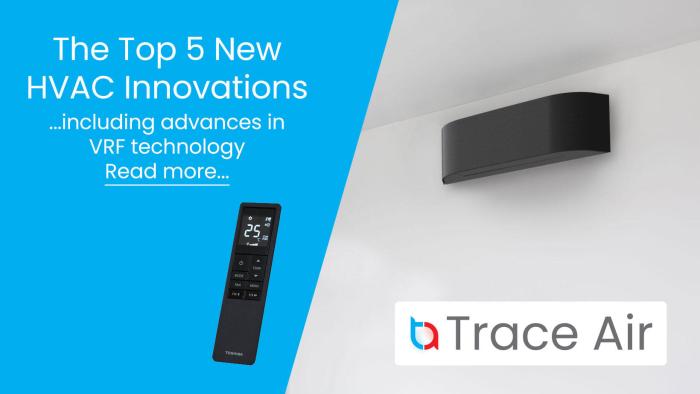
Discover the Top 5 Airconditioner Innovations You Didn't Know About, shedding light on cutting-edge technologies that are revolutionizing the way we cool our spaces. From air purification advancements to energy-efficient solutions, this exploration delves into the fascinating world of air conditioning innovations with a blend of informative insights and captivating details.
Explore how these innovations are reshaping the landscape of cooling technology, providing users with enhanced comfort, improved efficiency, and a glimpse into the future of climate control.
Air Purification Technology
Air conditioners have evolved beyond just cooling the air; they now come equipped with air purification technologies to enhance indoor air quality. By integrating air purifiers into the system, modern air conditioners can effectively remove pollutants, allergens, and other harmful particles from the air, providing a healthier environment for occupants.
Specific Air Purification Features
- HEPA Filters: High-Efficiency Particulate Air (HEPA) filters are capable of trapping 99.97% of particles as small as 0.3 microns, including dust, pollen, pet dander, and mold spores.
- Activated Carbon Filters: These filters can effectively absorb and neutralize odors, gases, and volatile organic compounds (VOCs) present in the air.
- UV-C Light: Ultraviolet-C light technology can kill bacteria, viruses, and other microorganisms by disrupting their DNA structure, helping to prevent the spread of airborne illnesses.
- Ions and Plasma Technology: Some air conditioners use ions or plasma to charge particles in the air, causing them to clump together and fall out of circulation, effectively reducing pollutants in the air.
Benefits of Air Purification Technology
- Improved Indoor Air Quality: With the ability to filter out harmful particles and pollutants, air purifiers in air conditioners can significantly improve the overall indoor air quality, reducing the risk of respiratory issues and allergies.
- Healthier Living Environment: By removing allergens, bacteria, and viruses from the air, air purification technology creates a healthier living space for occupants, especially for those with respiratory conditions or sensitivities.
- Odor Reduction: Activated carbon filters can effectively eliminate odors from cooking, pets, smoke, and other sources, ensuring a fresher and more pleasant indoor environment.
Energy Efficiency Innovations
Energy efficiency innovations in air conditioners have revolutionized the way we cool our spaces. These new models are designed to consume less power while still providing effective cooling, making them more environmentally friendly and cost-effective in the long run.
How Energy-Efficient Air Conditioners Work
Energy-efficient air conditioners work by optimizing the cooling process to minimize energy waste. They use advanced technologies such as variable speed compressors, improved insulation, and smart thermostats to regulate temperature more efficiently. By adjusting the cooling output based on the actual demand, these units can operate at lower power levels when needed, reducing overall energy consumption.
Comparison with Traditional AC Units
When compared to traditional AC units, energy-efficient models consume significantly less power. Traditional air conditioners operate at a constant speed, leading to higher energy usage even when cooling needs are minimal. In contrast, energy-efficient units can adjust their output based on real-time conditions, resulting in lower electricity consumption and reduced energy bills.
Impact on Electricity Bills and Environmental Sustainability
The adoption of energy-efficient air conditioners can have a positive impact on both electricity bills and environmental sustainability. By reducing power consumption, these units help lower monthly energy costs for users. Additionally, decreased energy usage leads to a smaller carbon footprint, contributing to environmental conservation efforts and reducing greenhouse gas emissions.
Smart Home Integration
As technology continues to advance, air conditioners are becoming an integral part of smart home ecosystems. Smart AC units are designed to seamlessly integrate with other smart devices in your home, offering a whole new level of convenience and control.
Advantages of Smart AC Units
- Remote Access: With smart integration, you can control your air conditioner from anywhere using your smartphone or voice commands.
- Energy Efficiency: Smart AC units can adjust temperature settings based on your schedule, saving energy and reducing utility bills.
- Personalized Comfort: These systems can learn your preferences and adjust settings to create the perfect indoor environment for you.
Functionalities of Smart Integration
- Temperature Control: Set desired temperatures remotely or create schedules for different times of the day.
- Voice Control: Use voice commands through virtual assistants like Alexa or Google Assistant to adjust settings hands-free.
- Integration with Smart Home Hubs: Connect your AC unit to smart home hubs for centralized control of all your devices.
Multi-zone Cooling Systems
Multi-zone cooling systems are innovative HVAC solutions that allow different areas or zones within a building to have individual temperature control. Unlike traditional cooling systems that provide a single temperature setting for the entire space, multi-zone systems offer flexibility and customization for each zone.
Benefits of Multi-zone Cooling Systems
- Energy Efficiency: By being able to adjust the temperature in different zones, multi-zone systems can help save energy by only cooling the areas that are in use.
- Personalized Comfort: Users can set different temperatures for various zones based on individual preferences, ensuring maximum comfort for everyone.
- Zoned Cooling: Areas with different cooling needs, such as kitchens, living rooms, and bedrooms, can be maintained at separate temperatures without affecting each other.
- Cost Savings: With the ability to control temperatures in specific zones, users can avoid overcooling empty or rarely used spaces, resulting in cost savings on energy bills.
Examples of Situations
- Large Homes: Multi-zone systems are ideal for large homes with multiple levels or rooms that have varying cooling requirements.
- Offices: Workspaces with different temperature preferences, like conference rooms or individual offices, can benefit from multi-zone cooling to ensure productivity and comfort.
- Retail Spaces: Stores with different sections, such as the retail floor, fitting rooms, and storage areas, can maintain specific temperatures in each zone for optimal customer experience and product preservation.
Noise Reduction Technology
Reducing noise levels in air conditioners is crucial for providing a comfortable and peaceful indoor environment. Excessive noise from air conditioning units can be disruptive, leading to increased stress and discomfort for users. Noise reduction technology plays a significant role in enhancing the overall user experience and improving comfort levels.
Methods for Noise Reduction
- Improved Insulation: Modern air conditioners are designed with better insulation materials to absorb and block noise from the compressor and fan.
- Variable Speed Technology: By adjusting the speed of the compressor and fan based on cooling needs, noise levels can be significantly reduced.
- Vibration Dampening: Installing vibration-absorbing materials helps minimize vibrations that can cause noise during operation.
- Aerodynamic Design: Air conditioners with streamlined airflow paths and optimized fan blade designs produce less noise while maintaining efficiency.
Concluding Remarks
In conclusion, the realm of air conditioning is evolving at a rapid pace, driven by these remarkable innovations that are reshaping the industry. As we embrace these advancements, we step into a realm of cooler, quieter, and smarter air conditioning systems that cater to our needs like never before.
User Queries
How do air conditioners integrate air purification technologies?
Air conditioners incorporate filters and mechanisms to remove impurities like dust, allergens, and odors, ensuring cleaner air circulation.
What are the benefits of having air purification technology in an air conditioner?
Air purification technology helps improve indoor air quality, reduces respiratory issues, and creates a healthier living environment.
How do energy-efficient air conditioners work?
Energy-efficient AC units utilize advanced compressors and refrigerants to cool spaces with minimal power consumption, leading to lower energy bills.
What advantages do smart AC units offer?
Smart AC units enable remote control, energy monitoring, and integration with smart home systems for enhanced convenience and efficiency.
Why is noise reduction technology important in air conditioners?
Noise reduction technology helps create a quieter environment, enhancing user comfort and reducing disturbances in indoor spaces.




![[EUROPE] Best A/C for HA Integration - Hardware - Home Assistant Community](https://ac.harianhaluan.com/wp-content/uploads/2025/10/e8bb70a96ac2d3a54932cf170f3003fea5438a8b-120x86.png)