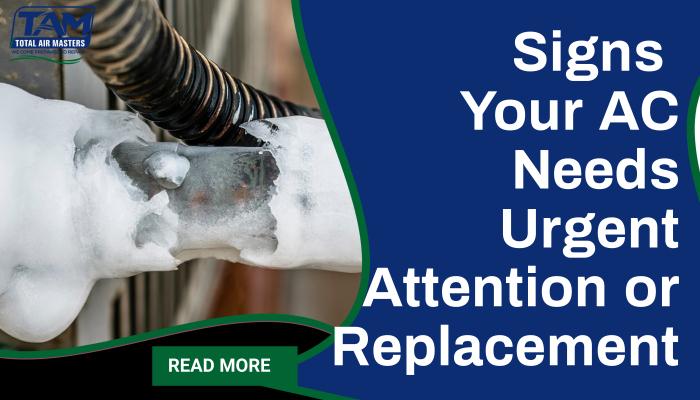
Delving into the world of air conditioning units, we uncover the crucial signs that indicate your AC system is in dire need of replacement. From soaring energy bills to uneven cooling, this guide sheds light on the red flags you should never ignore.
Common signs of a failing AC unit
When your AC unit starts showing signs of trouble, it's important not to ignore them as they could indicate a need for urgent replacement. Here are five common signs to watch out for:
1. Weak airflow
If you notice that the airflow coming out of your vents is weak, it could be a sign of a failing AC unit. This could be caused by a clogged air filter, a malfunctioning blower fan, or a problem with the ductwork.
Regardless of the cause, weak airflow can lead to inefficient cooling and higher energy bills.
2. Strange noises
Unusual sounds such as grinding, squealing, or banging coming from your AC unit are not normal and should not be ignored. These noises could indicate issues with the motor, fan blades, or other internal components. Ignoring these sounds could lead to further damage and potentially a complete breakdown of the system.
3. Foul odors
If you detect strange odors, such as musty or burning smells, when your AC is running, it could be a sign of mold growth, burnt wiring, or other serious issues. These odors not only indicate a problem with the unit but can also pose health risks to you and your family if left unaddressed.
4. Constant cycling on and off
If your AC unit is frequently cycling on and off, known as short cycling, it could be a sign of an underlying issue. This could be caused by a malfunctioning thermostat, low refrigerant levels, or an oversized unit. Constant cycling not only puts strain on the system but also leads to inconsistent cooling and discomfort in your home.
5. Age of the AC unit
Lastly, the age of your AC unit is a significant factor to consider. Most air conditioning systems have a lifespan of about 10-15 years. If your unit is nearing or past this age range, it may be more cost-effective to replace it rather than continue with repairs.
Older units tend to be less energy-efficient and more prone to breakdowns.
Impact of an inefficient AC system
Using an AC unit that is in dire need of replacement can have various negative consequences. Not only does it lead to discomfort and inconvenience, but it can also result in increased energy consumption and higher electricity bills.
Energy Efficiency Comparison
When comparing the energy efficiency of a failing AC unit to a new, properly functioning one, the difference is significant. An inefficient AC system has to work harder to cool the same space, leading to higher energy consumption. This not only puts a strain on the system but also drives up electricity costs.
Real-life Scenarios
In real-life scenarios, an inefficient AC system can lead to significant discomfort during hot summer months. Imagine a scorching day where your AC is struggling to cool the room, leaving you sweating and uncomfortable. Additionally, using a failing AC unit can also result in financial losses due to increased energy bills and potential repair costs.
Ignoring the signs of a failing AC system can end up costing you more in the long run.
Cost considerations for AC replacement
When it comes to replacing your AC unit, there are several cost considerations to keep in mind. Understanding the potential expenses involved can help you make an informed decision about when to invest in a new system.
Breakdown of expenses
- Unit cost: The cost of the actual AC unit can vary depending on the brand, size, and efficiency rating. On average, you can expect to pay anywhere from $3,000 to $7,000 for a new AC unit.
- Installation fees: In addition to the cost of the unit itself, you will also need to budget for installation fees. Professional installation can range from $500 to $2,500, depending on the complexity of the installation.
- Additional charges: There may be additional charges for any necessary upgrades to your ductwork, electrical system, or thermostat. These additional costs can add up, so it's important to factor them into your budget.
Long-term cost savings
Investing in a new AC unit may seem like a significant expense upfront, but it can lead to long-term cost savings. Newer, more efficient models are designed to consume less energy, which can lower your monthly utility bills. Additionally, a new AC unit is less likely to require frequent repairs, saving you money on maintenance costs in the long run.
Benefits of upgrading to a new AC system
Upgrading to a new AC system can bring numerous benefits, especially when replacing an old, inefficient unit. Modern, energy-efficient models offer enhanced comfort, convenience, and cost savings in the long run.
Improved Energy Efficiency
- New AC systems are designed to be more energy-efficient, resulting in lower energy bills and reduced carbon footprint.
- Advanced technologies such as variable-speed compressors and smart thermostats optimize energy usage for maximum efficiency.
- Energy-efficient models often qualify for rebates or incentives from utility companies, further reducing the initial cost of purchase.
Enhanced Comfort Features
- Modern AC units come with features like programmable thermostats, zoning capabilities, and improved air filtration for better indoor air quality.
- Smart AC systems can be controlled remotely via smartphones or voice commands, allowing for personalized comfort settings and convenience.
- Improved airflow and temperature control ensure consistent comfort throughout your home, eliminating hot or cold spots.
Long-Term Savings and Warranties
- While the initial cost of purchasing a new AC system may be higher, the long-term savings on energy bills and repair costs make it a worthwhile investment.
- Many manufacturers offer warranties on new AC units, providing peace of mind and protection against unexpected repair expenses.
- Some utility companies offer rebates or financing options for upgrading to energy-efficient AC systems, making it more affordable for homeowners.
Ending Remarks
In conclusion, recognizing the signs that your AC requires urgent replacement is vital for maintaining a comfortable and efficient indoor environment. By heeding these warnings and investing in a new system, you can enjoy enhanced comfort and savings in the long run.
Common Queries
Is a strange odor coming from my AC a sign that it needs replacement?
Yes, unusual smells can indicate issues like mold or burnt wiring, signaling the need for urgent replacement.
Can frequent breakdowns be a sign that my AC needs to be replaced?
Absolutely, frequent malfunctions suggest that your AC unit is on its last legs and requires a new replacement.
Will upgrading to a new AC system help lower my energy bills?
Yes, newer models are more energy-efficient, leading to reduced energy consumption and lower bills.



![[EUROPE] Best A/C for HA Integration - Hardware - Home Assistant Community](https://ac.harianhaluan.com/wp-content/uploads/2025/10/e8bb70a96ac2d3a54932cf170f3003fea5438a8b-120x86.png)