When deciding between a portable AC unit and a split unit, it's essential to consider various factors that influence your choice. From installation and cost to cooling capacity and noise levels, each type has its advantages and drawbacks. Let's delve into the details to help you determine which option aligns best with your needs.
Introduction
Portable AC units and split units are two popular options for cooling spaces, each with its own set of advantages and considerations. Portable AC units are standalone units that can be moved from room to room, while split units consist of two main components: an indoor unit and an outdoor compressor.
When choosing between the two, there are key factors to consider such as cost, installation requirements, cooling capacity, and energy efficiency.
Key Factors to Consider
- Cost: Portable AC units are generally more affordable upfront compared to split units, which may require professional installation and additional components.
- Installation: Portable AC units are easy to set up and can be moved without much hassle, whereas split units require more complex installation involving mounting the indoor unit and connecting it to the outdoor compressor.
- Cooling Capacity: Split units are typically more powerful and efficient at cooling larger spaces compared to portable AC units which are better suited for smaller rooms or specific areas.
- Energy Efficiency: Split units are known for their energy efficiency as they do not require air ducts, while portable AC units may lead to energy wastage if not properly sealed or insulated.
Scenarios for Each Type
- Portable AC Units: Ideal for renters or those who need temporary cooling solutions, perfect for small apartments, dorm rooms, or home offices where a permanent installation is not feasible.
- Split Units: Best for homeowners looking for a long-term cooling solution, suitable for cooling larger spaces like living rooms, bedrooms, or open-plan areas where consistent and efficient cooling is required.
Cost Comparison
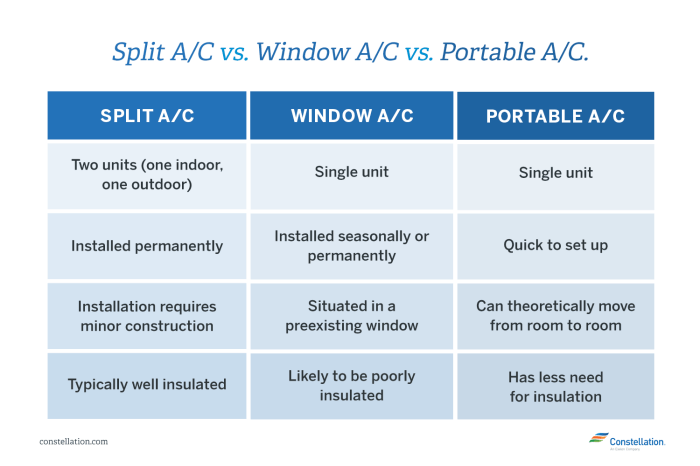
When it comes to deciding between a portable AC unit and a split unit, cost is a crucial factor to consider. Let's delve into the financial aspects of each option to help you make an informed decision.
Initial Cost
The initial cost of purchasing a portable AC unit is generally lower than that of a split unit. Portable AC units are typically more affordable upfront, making them an attractive option for those on a tight budget. On the other hand, split units tend to be more expensive due to the complexity of the installation process and the need for professional help.
Maintenance and Energy Consumption
In terms of long-term costs, maintenance and energy consumption play a significant role. Portable AC units are usually easier to maintain since they can be self-installed and moved from room to room as needed. However, they tend to consume more energy compared to split units, which are known for their energy efficiency and lower electricity bills in the long run.
Additionally, split units may require professional maintenance services, which can add to the overall cost.
Overall Cost-Effectiveness
When considering the overall cost-effectiveness of both options, it is essential to weigh the initial cost, maintenance expenses, and energy consumption. While portable AC units may be cheaper to purchase initially, their higher energy consumption could lead to higher utility bills over time.
On the other hand, split units may have a higher upfront cost, but their energy efficiency can result in lower long-term expenses. It's essential to evaluate your budget and long-term usage to determine which option offers the best cost-effectiveness for your specific needs.
Installation and Mobility
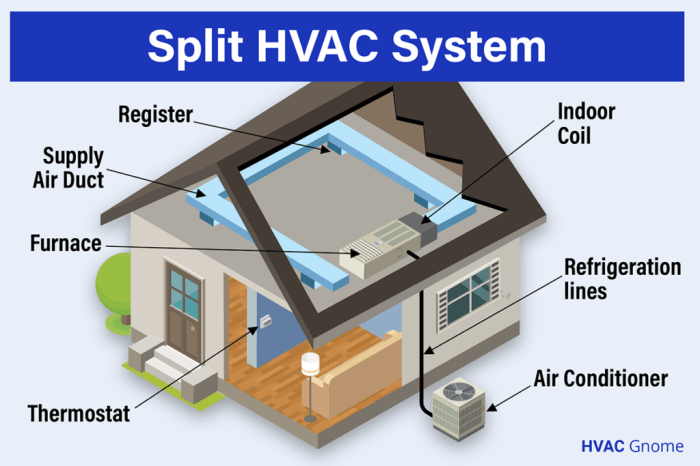
When it comes to deciding between a portable AC unit and a split unit, one crucial factor to consider is the installation process and mobility of each option. Let's delve into the details to help you make an informed choice.
Installation Process
Installing a portable AC unit is relatively simple and straightforward. These units typically come with a window kit that allows you to vent the hot air outside. All you need is a nearby electrical outlet, and you can easily set up your portable AC in minutes.
On the other hand, a split unit requires professional installation, as it involves mounting the indoor unit on a wall and connecting it to the outdoor unit through a small hole in the wall. This process can be more time-consuming and may require the expertise of a technician.
Mobility Comparison
One of the key advantages of a portable AC unit is its mobility. Unlike a fixed split unit, a portable AC can be easily moved from room to room, providing cooling wherever you need it
On the other hand, a split unit is permanently installed in a specific location, limiting its mobility and flexibility in terms of cooling different areas of your home.
Flexibility in Placement
Portable AC units offer great flexibility in terms of placement within a space. Since they are not permanently fixed to a specific location, you can move them around to find the best spot for optimal cooling. This flexibility allows you to adjust the placement based on your needs and the layout of your room.
In contrast, split units are fixed in place once installed, restricting your options for repositioning them.
Cooling Capacity and Efficiency
When it comes to comparing portable AC units and split units, understanding their cooling capacity and efficiency is crucial in making an informed decision.
Portable AC Units
Portable AC units are typically designed to cool smaller spaces, such as individual rooms or small apartments. The cooling capacity of these units is measured in British Thermal Units (BTUs). For example, a portable AC unit with 8,000 BTUs is suitable for cooling a room size of around 200-300 square feet.
These units are convenient for smaller living spaces or areas where a permanent installation is not possible.
Split Units
Split units, on the other hand, are ideal for larger spaces or multiple rooms. The outdoor condenser unit and indoor evaporator unit work together to cool the air efficiently. Split units have a higher cooling capacity compared to portable AC units, with some models ranging from 18,000 to 24,000 BTUs or even higher.
These units are well-suited for cooling larger areas like living rooms, open-plan spaces, or even entire houses.
Energy Efficiency
Both portable AC units and split units come with energy efficiency ratings, which indicate how efficiently they cool a space while consuming electricity. Higher Energy Efficiency Ratio (EER) or Seasonal Energy Efficiency Ratio (SEER) ratings mean the unit is more energy-efficient.
Split units are generally more energy-efficient than portable AC units, as they have a higher cooling capacity with lower energy consumption.
Room Size Recommendations
Portable AC Units
Ideal for rooms up to 300 square feet, such as small bedrooms, home offices, or studio apartments.
Split Units
Suitable for larger rooms or spaces over 300 square feet, like living rooms, large bedrooms, or open-plan areas.Overall, understanding the cooling capacity and efficiency of portable AC units versus split units can help you choose the right cooling solution based on the size of the space you need to cool and your energy efficiency preferences.
Noise Levels and Air Quality
When it comes to choosing between a portable AC unit and a split unit, considering noise levels and air quality is crucial for a comfortable living environment.
Noise Levels
Portable AC units tend to be noisier compared to split units due to the all-in-one design that houses the compressor, fan, and exhaust components in a single unit. On the other hand, split units have a quieter operation since the noisy components are located outside the room.
The noise level of portable AC units can range from 50-70 decibels, while split units typically produce around 25-40 decibels of noise.
Air Quality and Ventilation
Both portable AC units and split units have filters that help improve indoor air quality by trapping dust, allergens, and other particles. However, portable AC units may not provide as thorough ventilation as split units since they do not have an external unit to exchange outdoor and indoor air.
Split units, with their separate indoor and outdoor components, offer better ventilation and air circulation.
Tips for Noise Reduction and Air Quality Improvement
- For portable AC units, consider placing the unit on a sturdy surface to reduce vibrations and noise.
- Regularly clean and replace the filters in both portable AC units and split units to maintain good air quality.
- Ensure proper installation of split units to maximize ventilation and airflow in the room.
- Use additional air purifiers or ventilation systems to enhance air quality, especially in rooms with portable AC units.
Outcome Summary
In conclusion, weighing the differences between portable AC units and split units can lead to a more informed decision based on your specific requirements. Whether it's about cost-effectiveness, cooling efficiency, or noise levels, understanding these aspects will guide you towards selecting the most suitable option for your space.
Answers to Common Questions
Is it easier to install a portable AC unit or a split unit?
The installation process for a portable AC unit is generally simpler and requires no permanent fixtures like a split unit.
Which type is more cost-effective in the long run?
While portable AC units have lower upfront costs, split units are more energy-efficient, making them potentially more cost-effective over time.
Do portable AC units affect air quality differently than split units?
Portable AC units can impact air quality due to their design, whereas split units typically offer better ventilation and air quality control.




![[EUROPE] Best A/C for HA Integration - Hardware - Home Assistant Community](https://ac.harianhaluan.com/wp-content/uploads/2025/10/e8bb70a96ac2d3a54932cf170f3003fea5438a8b-120x86.png)