As How to Optimize AC Usage for Lower Carbon Footprint takes center stage, this opening passage beckons readers into a world crafted with good knowledge, ensuring a reading experience that is both absorbing and distinctly original.
Explore the intricacies of AC usage optimization for a greener environment and a more efficient home cooling system.
Assessing Current AC Usage
When it comes to assessing current AC usage in households, it's important to understand the energy consumption patterns of AC units. Air conditioners consume a significant amount of electricity, especially during hot summer months, which can have a direct impact on carbon emissions.
Common AC Usage Habits
Some common AC usage habits that contribute to a higher carbon footprint include:
- Leaving the AC running when no one is at home
- Setting the thermostat too low
- Neglecting regular maintenance of the AC unit
- Using the AC in rooms that are not occupied
Environmental Impact of Excessive AC Usage
Excessive AC usage can lead to higher carbon emissions due to increased energy consumption. This contributes to global warming and climate change, as the release of greenhouse gases from power plants that generate electricity for AC units can have a detrimental impact on the environment.
Optimizing AC Settings
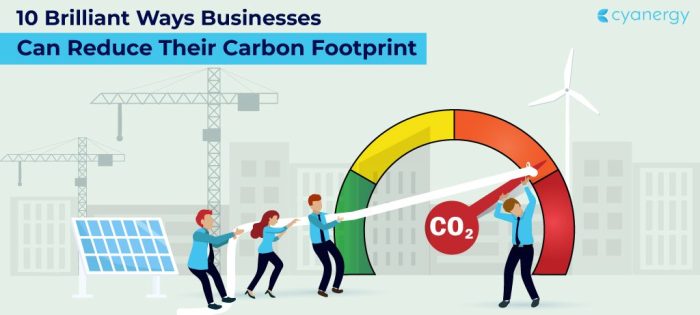
To optimize AC settings and minimize energy consumption, it is crucial to set the ideal temperature and utilize programmable thermostats efficiently. Additionally, setting up zones in your home based on occupancy can further enhance AC usage optimization.
Ideal Temperature Settings
- Set your AC to 78°F (25.5°C) during the summer months to balance comfort and energy efficiency.
- Increasing the temperature by just 1 degree can lead to significant energy savings.
- Use fans to help circulate cool air and make the room feel cooler without lowering the thermostat.
Benefits of Programmable Thermostats
- Programmable thermostats allow you to set different temperatures for various times of the day, ensuring optimal comfort and energy savings.
- They can automatically adjust the temperature based on your schedule, reducing unnecessary cooling when no one is home.
- Smart thermostats can learn your preferences and adjust settings accordingly, maximizing efficiency.
Setting Up Zones for Optimized AC Usage
- Divide your home into zones based on occupancy patterns to cool only the areas that are in use.
- Close doors to unused rooms to prevent cool air from escaping and focus on cooling high-traffic areas.
- Consider installing zone control systems to regulate temperatures in different areas independently.
Improving Home Insulation
Proper insulation plays a crucial role in reducing the need for excessive AC usage, leading to a lower carbon footprint. By sealing air leaks and insulating windows and doors, you can create a more energy-efficient home environment.
Significance of Sealing Air Leaks
- Sealing air leaks helps prevent cool air from escaping in the summer and warm air from escaping in the winter, reducing the workload on your AC.
- Common areas where air leaks occur include around windows, doors, electrical outlets, and plumbing fixtures.
- By addressing these leaks, you can improve indoor comfort and lower your energy bills.
Insulating Windows and Doors
- Adding insulation around windows and doors can further enhance energy efficiency by reducing heat transfer.
- Options for insulating windows include weatherstripping, caulking, and adding window films or coverings.
- For doors, installing door sweeps and using draft stoppers can help prevent air leakage.
Eco-Friendly Insulation Materials
- Consider using eco-friendly insulation materials such as cellulose, wool, cotton, or recycled denim.
- These materials not only provide effective insulation but also contribute to sustainability efforts by reducing environmental impact.
- Recycled materials like cellulose and denim offer excellent thermal performance and are easy to install.
Utilizing Natural Ventilation
When it comes to reducing your carbon footprint and energy bills, natural ventilation can be a game-changer
Cross Ventilation and Night Flushing
Cross ventilation involves opening windows on opposite sides of a room to allow fresh air to flow through and push out stale air. This technique can help cool down indoor spaces without relying solely on air conditioning. Night flushing, on the other hand, takes advantage of cooler outdoor temperatures during the night to naturally cool down your home.
By opening windows strategically before bedtime, you can let in the cool air and reduce the need for AC overnight.
Strategic Placement of Plants
Plants not only add aesthetic value to your home but can also improve indoor air quality. By strategically placing plants near windows or doors, you can create a natural barrier that filters out pollutants and enhances ventilation. Certain plants, such as snake plants and peace lilies, are known for their air-purifying properties and can help reduce the need for artificial cooling.
Regular AC Maintenance
Regular maintenance of your air conditioning (AC) system is crucial for improving energy efficiency and reducing your carbon footprint. By keeping your AC in top condition, you can ensure that it operates at its best and consumes less energy. One key aspect of regular maintenance is cleaning or replacing filters, which can have a significant impact on the performance of your AC unit.
Importance of Cleaning or Replacing Filters
Regularly cleaning or replacing the filters in your AC system can help optimize its performance by ensuring proper airflow. Clogged or dirty filters can restrict airflow, making your AC work harder to cool your home, which in turn increases energy consumption.
By maintaining clean filters, you can improve energy efficiency and reduce the strain on your AC unit.
- Inspect filters monthly and clean or replace them as needed.
- Use high-efficiency filters to trap more dust and particles.
- Follow manufacturer's guidelines for filter maintenance.
- Consider investing in a programmable thermostat to remind you of filter changes.
Seasonal AC Maintenance Checklist
Performing seasonal maintenance on your AC system can help ensure optimal functioning and lower energy usage. Here is a checklist to guide you through the necessary steps:
- Inspect and clean evaporator and condenser coils.
- Check and adjust refrigerant levels if needed.
- Clean and straighten coil fins for better airflow.
- Ensure proper sealing of ductwork to prevent air leaks.
- Check and calibrate thermostat settings for accuracy.
- Inspect and clean blower components for optimal performance.
- Verify proper drainage to prevent water leakage.
- Tighten electrical connections to improve efficiency and safety.
Final Wrap-Up
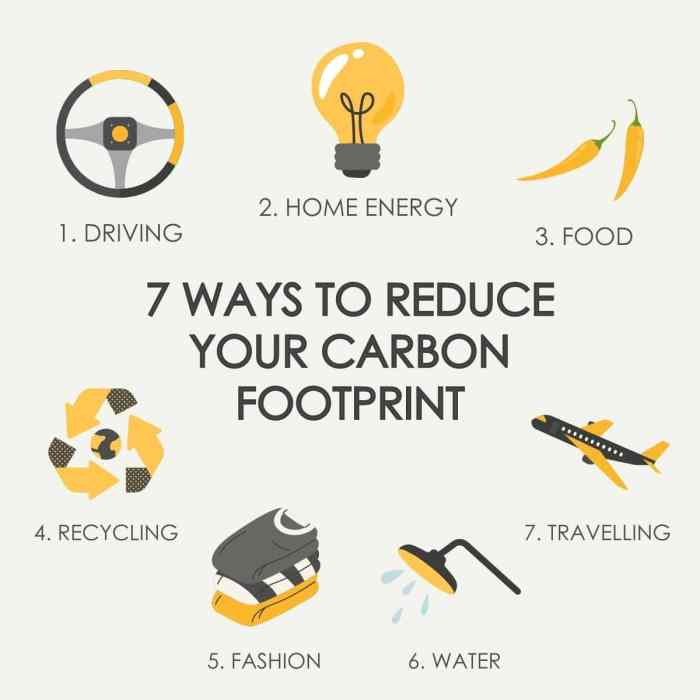
In conclusion, mastering the art of optimizing AC usage not only reduces your carbon footprint but also leads to a more sustainable lifestyle for a healthier planet.
FAQ Corner
How can I assess my current AC usage?
To assess your current AC usage, monitor your energy bills, check for leaks around windows and doors, and consider consulting with an energy auditor.
What are some tips for improving home insulation to reduce AC usage?
Improving home insulation involves sealing air leaks, insulating windows and doors, and using eco-friendly insulation materials like cellulose or recycled denim.
Should I invest in a programmable thermostat to optimize AC settings?
Yes, a programmable thermostat can help regulate AC usage by adjusting temperatures based on your schedule, leading to energy savings and reduced carbon emissions.
How can natural ventilation techniques complement AC usage?
Natural ventilation methods such as cross ventilation and night flushing can help cool indoor spaces, reducing the reliance on AC during milder weather conditions.
What are some important tasks for regular AC maintenance?
Regular AC maintenance tasks include cleaning or replacing filters, checking for refrigerant leaks, and scheduling professional tune-ups to ensure optimal performance and energy efficiency.




![[EUROPE] Best A/C for HA Integration - Hardware - Home Assistant Community](https://ac.harianhaluan.com/wp-content/uploads/2025/10/e8bb70a96ac2d3a54932cf170f3003fea5438a8b-120x86.png)