Embark on a journey towards a sustainable future with the latest advancements in AC technology. Learn how Future-Proofing Your Home with Sustainable AC Systems can revolutionize your living space for the better.
Explore the benefits, types, installation, maintenance, and considerations involved in adopting sustainable AC systems for your home.
Benefits of Sustainable AC Systems
Switching to sustainable AC systems can bring about a range of benefits for both homeowners and the environment.
Reduced Energy Consumption
One of the key advantages of sustainable AC systems is their ability to significantly reduce energy consumption compared to traditional systems. By utilizing advanced technologies such as variable speed compressors and energy-efficient components, sustainable systems can cool your home effectively while consuming less electricity.
Environmental Impact
Traditional AC systems rely heavily on refrigerants that contribute to global warming and ozone depletion. In contrast, sustainable AC systems use eco-friendly refrigerants and are designed to minimize environmental impact. By choosing a sustainable option, you can help reduce your carbon footprint and protect the environment.
Cost-Saving Benefits
Although the initial cost of installing a sustainable AC system may be higher than that of a traditional system, the long-term cost-saving benefits are substantial. Sustainable systems are more energy-efficient, resulting in lower utility bills over time. Additionally, many governments offer incentives and rebates for installing eco-friendly appliances, making sustainable AC systems a smart financial investment.
Types of Sustainable AC Systems
When it comes to sustainable AC systems, there are several types available that aim to reduce energy consumption and environmental impact. Let's explore some of the common options and their efficiency in cooling capacity and energy usage.
Geothermal AC Systems
Geothermal AC systems utilize the stable temperature underground to efficiently cool and heat a home. By circulating water through pipes buried in the ground, these systems can provide consistent cooling without relying on electricity-intensive methods.
- High initial installation cost but lower operating costs in the long run.
- Energy-efficient and environmentally friendly.
- Can provide heating and cooling throughout the year.
Solar-Powered AC Systems
Solar-powered AC systems harness the power of the sun to generate electricity for cooling purposes. These systems use photovoltaic panels to convert sunlight into usable energy, reducing reliance on traditional power sources.
- Initial investment can be high, but savings on energy bills over time.
- Clean energy source with minimal environmental impact.
- Dependent on sunlight availability, may require backup energy source.
Hybrid AC Systems
Hybrid AC systems combine traditional AC technology with sustainable elements to optimize energy efficiency. These systems often switch between electric power and alternative energy sources based on energy demand and availability.
- Increased flexibility in energy sources, reducing reliance on electricity grid.
- Integration of smart technology for optimal energy usage.
- Can be cost-effective in the long term with reduced energy consumption.
Installation and Maintenance
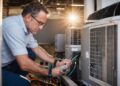
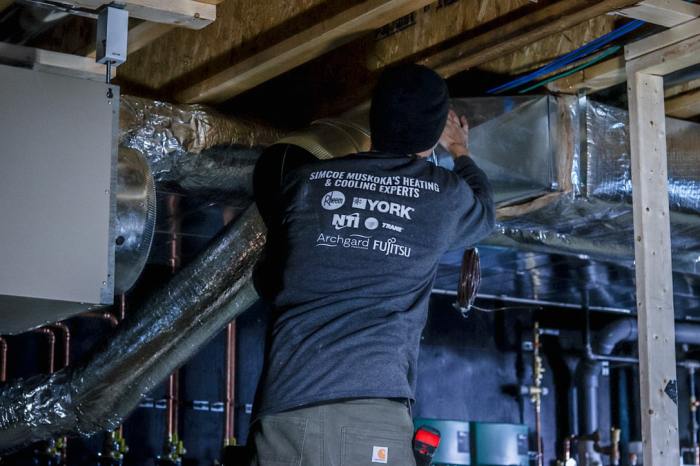
When it comes to installing a sustainable AC system in your home, there are several crucial steps to follow to ensure optimal performance and efficiency.
Installation Process
- Choose the right system: Select a sustainable AC system that is the right size and capacity for your home to maximize energy efficiency.
- Hire a professional: It is essential to hire a certified HVAC technician to install the system correctly and safely.
- Proper placement: The unit should be installed in a shaded area to prevent overheating and ensure proper airflow.
- Ductwork inspection: Make sure that the ductwork is in good condition and properly sealed to avoid energy loss.
Importance of Regular Maintenance
Regular maintenance is key to ensuring the longevity and efficiency of sustainable AC systems. Neglecting maintenance can lead to reduced performance and higher energy consumption.
Common Maintenance Practices
- Regular filter replacement: Change the air filters every 1-3 months to improve air quality and system efficiency.
- Clean the coils: Dirty coils can reduce the system's efficiency, so it's important to clean them regularly.
- Check refrigerant levels: Low refrigerant levels can indicate a leak and affect the system's cooling capacity.
- Inspect ductwork: Leaks in the ductwork can lead to energy loss, so it's essential to inspect and seal any leaks.
Considerations for Future-Proofing
When it comes to future-proofing your home with sustainable AC systems, there are several key considerations to keep in mind. It's essential to assess your specific cooling needs, design your home with energy-efficient features, and explore smart technologies that can enhance the performance of your sustainable AC system in the long run.
Assessing Cooling Needs
Before choosing a sustainable AC system, it's crucial to assess the specific cooling needs of your home. Consider factors such as the size of your space, insulation levels, number of occupants, and typical climate conditions in your area. This evaluation will help you determine the most suitable and efficient cooling solution for your home.
Designing Energy-Efficient Features
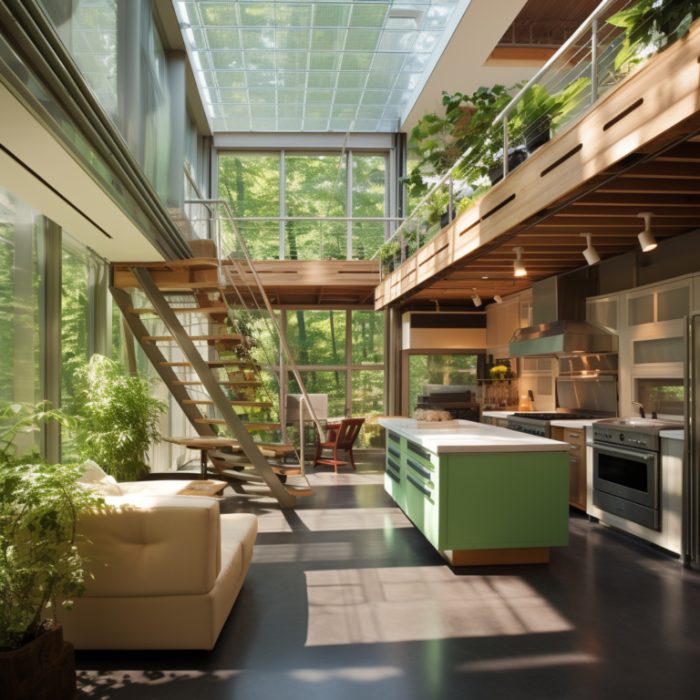
Designing your home with energy-efficient features can complement sustainable AC systems by reducing overall energy consumption. Incorporate strategies such as proper insulation, energy-efficient windows, shading solutions, and passive cooling techniques to enhance the performance of your AC system. By optimizing your home's energy efficiency, you can maximize the benefits of your sustainable cooling system.
Exploring Smart Technologies
Smart technologies offer innovative solutions to enhance the performance of sustainable AC systems in the long term. Consider integrating smart thermostats, zoning systems, and remote monitoring capabilities into your cooling system. These technologies enable you to optimize energy usage, monitor system performance, and customize cooling settings based on your preferences.
By embracing smart technologies, you can ensure that your sustainable AC system remains efficient and effective for years to come.
Ending Remarks
In conclusion, Future-Proofing Your Home with Sustainable AC Systems not only brings energy efficiency but also contributes to a greener environment. Make the smart choice today for a cooler tomorrow.
Top FAQs
How can sustainable AC systems reduce energy consumption?
By utilizing advanced technologies like geothermal or solar power, sustainable AC systems operate more efficiently, resulting in reduced energy usage.
What are some common maintenance practices for sustainable AC systems?
Regularly cleaning filters, checking for leaks, and scheduling professional tune-ups can ensure the longevity and efficiency of sustainable AC systems.
How to design a home that complements sustainable AC systems?
By incorporating energy-efficient features like proper insulation, smart thermostats, and natural ventilation, you can enhance the performance of sustainable AC systems.




![[EUROPE] Best A/C for HA Integration - Hardware - Home Assistant Community](https://ac.harianhaluan.com/wp-content/uploads/2025/10/e8bb70a96ac2d3a54932cf170f3003fea5438a8b-120x86.png)