Eco-Friendly Airconditioners for a Greener Planet sets the stage for this enthralling narrative, offering readers a glimpse into a story that is rich in detail and brimming with originality from the outset.
As the world increasingly focuses on sustainable living, the demand for eco-friendly air conditioners has risen. These innovative cooling solutions not only provide comfort but also contribute to a healthier planet.
Overview of Eco-Friendly Air Conditioners
Eco-friendly air conditioners are designed to minimize their impact on the environment by using sustainable materials and energy-efficient technologies. These AC units are essential for creating a greener planet as they reduce energy consumption and greenhouse gas emissions.
Examples of Sustainable Materials
Eco-friendly air conditioners often utilize materials such as recycled plastics, biodegradable components, and eco-friendly refrigerants. These materials help reduce waste and pollution, contributing to a more sustainable HVAC industry.
Importance of Eco-Friendly AC Units
Eco-friendly air conditioners play a crucial role in mitigating climate change and promoting environmental sustainability. By reducing energy consumption and utilizing sustainable materials, these AC units help lower carbon footprints and protect the planet for future generations.
Energy Efficiency Features
When it comes to eco-friendly air conditioners, one of the key features that sets them apart is their energy efficiency. These units are designed to operate using less electricity, reducing their carbon footprint and helping to lower energy bills.
Comparison of Energy Consumption
Traditional air conditioners tend to consume a significant amount of energy, especially when running constantly in hot weather. On the other hand, eco-friendly air conditioners are equipped with advanced technologies such as variable-speed compressors, energy-efficient coils, and programmable thermostats to optimize energy usage.
- Eco-friendly air conditioners can consume up to 50% less energy compared to traditional units, leading to substantial cost savings in the long run.
- By using eco-friendly refrigerants that have lower global warming potential, these air conditioners also contribute to reducing greenhouse gas emissions.
Maximizing Energy Efficiency
To ensure maximum energy efficiency when using eco-friendly air conditioners, consider the following tips:
- Set the thermostat to the most energy-efficient temperature (around 78°F) and avoid extreme settings that can lead to higher energy consumption.
- Regularly clean or replace air filters to maintain optimal airflow and improve overall efficiency.
- Utilize programmable thermostats to schedule cooling based on your daily routine, reducing unnecessary energy usage when the space is unoccupied.
- Ensure proper insulation in the room to prevent cool air from escaping, allowing the air conditioner to work more efficiently.
- Consider using ceiling fans in conjunction with the air conditioner to help circulate cool air and reduce the workload on the unit.
Sustainable Cooling Technologies
Innovative cooling technologies play a crucial role in enhancing the efficiency of eco-friendly air conditioners while reducing their environmental impact. These technologies are designed to provide effective cooling solutions with minimal energy consumption and greenhouse gas emissions.
Variable Refrigerant Flow (VRF) Systems
VRF systems are advanced air conditioning systems that use a single outdoor unit to control multiple indoor units. By adjusting the refrigerant flow based on the cooling requirements of each zone, VRF systems can achieve higher energy efficiency compared to traditional HVAC systems.
This results in reduced energy consumption and lower operating costs, making them a sustainable cooling option for both residential and commercial buildings.
Heat Pumps
Heat pumps are another sustainable cooling technology that can provide both heating and cooling functions. By transferring heat from one space to another, heat pumps can efficiently cool indoor environments without relying on electricity-intensive cooling methods. This technology not only reduces energy consumption but also minimizes the carbon footprint associated with air conditioning systems
Evaporative Cooling
Evaporative cooling systems utilize the natural process of evaporation to cool indoor spaces. By passing warm air over water-soaked pads, these systems can significantly reduce the temperature without consuming large amounts of electricity. This eco-friendly cooling technology is ideal for dry climates and can help reduce the environmental impact of air conditioning systems.
Solar-Powered Air Conditioners
Solar-powered air conditioners harness the energy of the sun to provide cooling solutions for residential and commercial buildings. By utilizing solar panels to generate electricity, these systems can operate efficiently without relying on grid power. Investing in solar-powered air conditioners not only helps reduce energy costs but also promotes sustainability by utilizing renewable energy sources.
Environmental Impact and Benefits
Using eco-friendly air conditioners offers a multitude of benefits for the environment. These systems are designed to consume less energy, produce fewer greenhouse gas emissions, and ultimately help in reducing our carbon footprint.
Reduction in Carbon Footprint
- Eco-friendly air conditioners are more energy-efficient, resulting in lower electricity consumption compared to traditional units.
- By using less electricity, these units reduce the demand for power generation from fossil fuels, which in turn lowers carbon emissions.
- Overall, the reduced energy consumption leads to a significant decrease in the carbon footprint of households and businesses using eco-friendly AC units.
Combatting Climate Change
- With the global climate crisis intensifying, the use of eco-friendly air conditioners plays a crucial role in mitigating climate change effects.
- Reducing greenhouse gas emissions from air conditioning systems helps in slowing down the pace of global warming and its associated impacts on the environment.
- By transitioning to sustainable cooling technologies, we contribute to a more sustainable future and a healthier planet for generations to come.
Real-world Examples
- In countries like Japan and Australia, where eco-friendly air conditioners are widely adopted, there has been a noticeable decrease in energy consumption and carbon emissions.
- Commercial buildings in the United States that have switched to eco-friendly HVAC systems have reported substantial savings in energy costs and a positive environmental impact.
- Studies have shown that the widespread adoption of eco-friendly air conditioners can lead to a significant reduction in greenhouse gas emissions on a global scale.
Final Summary
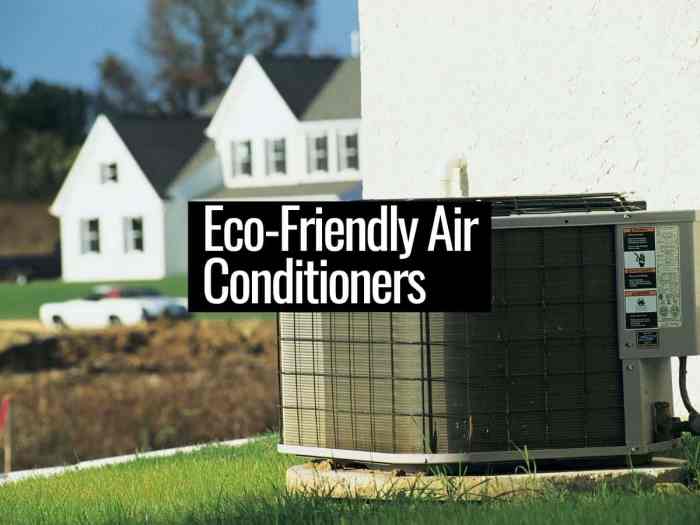
In conclusion, Eco-Friendly Airconditioners for a Greener Planet showcases the intersection of technology and environmental consciousness. By opting for these eco-conscious cooling options, individuals can play a part in mitigating climate change and fostering a more sustainable future.
FAQ
Are eco-friendly air conditioners more expensive than traditional ones?
Eco-friendly air conditioners may have a higher upfront cost, but they often lead to long-term savings due to their energy-efficient design.
Do eco-friendly air conditioners require special maintenance?
While maintenance requirements can vary, eco-friendly air conditioners generally require the same level of care as traditional units.
Can eco-friendly air conditioners be used in all climates?
Yes, eco-friendly air conditioners are designed to function effectively in various climates, providing sustainable cooling solutions globally.




![[EUROPE] Best A/C for HA Integration - Hardware - Home Assistant Community](https://ac.harianhaluan.com/wp-content/uploads/2025/10/e8bb70a96ac2d3a54932cf170f3003fea5438a8b-120x86.png)