Embark on a journey to uncover the crucial AC installation mistakes that can impact your system's performance. From common errors to the importance of proper sizing, this guide delves into key aspects to help you steer clear of costly blunders.
Exploring the significance of electrical wiring, refrigerant leaks, and insulation, this overview equips you with essential knowledge to ensure a seamless AC installation process.
Common AC Installation Mistakes
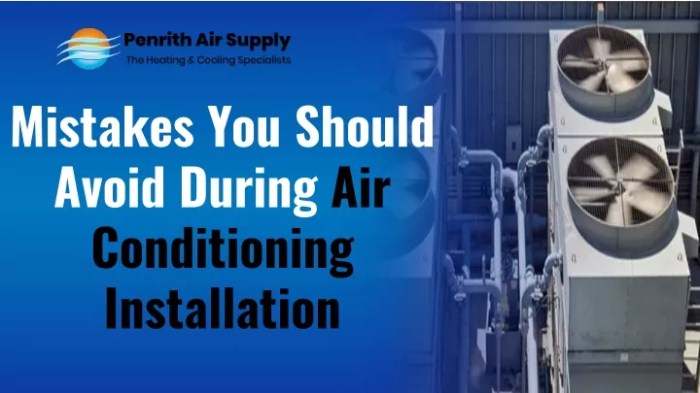
When it comes to installing an air conditioning system, there are several common mistakes that people often make. These mistakes can have a significant impact on the performance and longevity of your AC unit, leading to costly repairs and reduced efficiency over time.
Incorrect Sizing of the AC Unit
One of the most common mistakes during AC installation is choosing the wrong size unit for your space. If the unit is too small, it will have to work harder to cool the area, leading to increased energy consumption and wear and tear on the system.
On the other hand, if the unit is too large, it will short cycle, turning on and off frequently, which can lead to humidity control issues and decreased efficiency.
Improper Placement of the Outdoor Unit
Another mistake is placing the outdoor unit in an area that is exposed to direct sunlight or blocked by obstacles. This can cause the unit to overheat, reducing its efficiency and lifespan. Additionally, if the unit is not level or stable, it can lead to vibration and noise issues.
Failure to Seal Air Leaks
During installation, it is crucial to properly seal any air leaks around the AC unit and ductwork. Failure to do so can result in energy loss, reduced cooling performance, and an increase in dust and allergens circulating in your home.
This can lead to higher utility bills and poor indoor air quality over time.
Incorrect Refrigerant Charge
Improper charging of the refrigerant during installation can result in reduced cooling capacity, increased energy consumption, and potential damage to the compressor. It is essential to ensure that the refrigerant levels are accurate according to the manufacturer's specifications to maintain optimal performance.
Importance of Proper Sizing
Properly sizing an AC unit for a space is crucial for ensuring optimal performance and energy efficiency. When an AC unit is either undersized or oversized, it can lead to a range of issues that impact its effectiveness and overall functionality.
Significance of Correct Sizing
When an AC unit is undersized for a space, it will struggle to cool the area adequately, leading to constant running and increased wear and tear on the system. On the other hand, an oversized unit will cycle on and off frequently, resulting in inefficient operation and higher energy consumption.
Improperly sized AC units can also lead to discomfort in the space, as they may not be able to maintain a consistent temperature throughout the area. This can result in hot and cold spots, reducing the overall comfort levels for occupants.
Additionally, incorrect sizing can impact the longevity of the AC unit, as it will have to work harder to maintain the desired temperature. This increased strain can lead to more frequent breakdowns and repairs, ultimately costing more in the long run.
Electrical Wiring Errors
Improper electrical wiring during AC installations can lead to serious safety hazards and system malfunctions. It is crucial to identify and avoid common electrical wiring mistakes to ensure the safe and efficient operation of your air conditioning unit.
Risks of Faulty Electrical Connections
- Fire Hazards: Faulty electrical connections can increase the risk of electrical fires, putting your property and loved ones in danger.
- Damage to the AC Unit: Incorrect wiring can damage the components of your AC unit, leading to costly repairs or even the need for a replacement.
- Electrocution Risk: Poor electrical connections can create a risk of electric shock, especially during maintenance or repair work on the system.
Tips for Safe and Proper Electrical Wiring
- Consult a Professional: It is advisable to hire a licensed electrician or HVAC technician to handle the electrical wiring during AC installation.
- Follow Manufacturer Instructions: Always refer to the manufacturer's guidelines and wiring diagrams to ensure the correct installation of the electrical components.
- Use Proper Tools and Materials: Make sure to use the right tools and materials for the electrical work, including insulated wires, connectors, and junction boxes.
- Test the Connections: Before powering up the AC unit, test the electrical connections to ensure they are secure and functioning properly.
- Regular Maintenance: Schedule regular maintenance checks to inspect the electrical wiring and connections for any signs of wear or damage.
Refrigerant Leaks
Refrigerant leaks in an AC system can lead to a variety of issues that can impact the overall performance and efficiency of the unit. These leaks can occur due to improper installation practices, physical damage to the refrigerant lines, or simply wear and tear over time.
It is crucial to address refrigerant leaks promptly to ensure optimal cooling and prevent further damage to the system.
Causes and Consequences of Refrigerant Leaks
Refrigerant leaks can be caused by factors such as poor installation techniques, corrosion of the copper lines, or accidental punctures during maintenance. When refrigerant leaks occur, they can result in reduced cooling capacity, increased energy consumption, and potential damage to the compressor.
Additionally, refrigerant leaks can also have environmental consequences as the leaked refrigerant is harmful to the ozone layer.
- Reduced cooling efficiency
- Increased energy consumption
- Potential damage to the compressor
- Environmental impact due to harmful refrigerant
Preventive Measures to Avoid Refrigerant Leaks during Installation
To prevent refrigerant leaks during installation, it is essential to follow proper procedures and guidelines. This includes ensuring that all refrigerant lines are securely connected, using quality materials for the installation, and performing pressure tests to detect any leaks before charging the system.
Regular maintenance and inspections can also help identify and address any potential leaks before they cause significant damage to the AC unit.
- Properly connect refrigerant lines
- Use quality materials for installation
- Perform pressure tests before charging the system
- Regular maintenance and inspections
Importance of Proper Insulation
Proper insulation plays a crucial role in AC installations as it helps in maintaining the desired temperature within the home or building. Insulation helps in preventing heat transfer by creating a barrier between the indoor and outdoor environments.
Effects of Poor Insulation
Improper insulation can lead to various issues that affect the overall efficiency of the AC system. Some of the effects of poor insulation include:
- Increased energy consumption: Poor insulation can result in heat loss or gain, causing the AC system to work harder to maintain the set temperature. This leads to higher energy bills.
- Uneven cooling: Inadequate insulation can lead to uneven cooling throughout the space, creating hot and cold spots.
- Shorter lifespan of the AC system: Constant strain on the AC system due to poor insulation can reduce its lifespan and lead to frequent breakdowns.
Recommendations for Proper Insulation
To ensure proper insulation during AC installation, consider the following recommendations:
- Choose the right type of insulation material based on the location and requirements of the installation.
- Properly seal all gaps and cracks to prevent air leakage, ensuring maximum efficiency of the insulation.
- Consult with a professional HVAC technician to determine the appropriate insulation thickness and R-value for optimal performance.
- Regularly inspect and maintain the insulation to address any issues or damage that may affect its effectiveness.
End of Discussion
In conclusion, by understanding and avoiding these AC installation mistakes, you can enhance the efficiency and longevity of your cooling system. Take charge of your AC installation journey with these insights to enjoy optimal performance and comfort in your space.
Question & Answer Hub
What are the consequences of undersized AC units?
Undersized units struggle to cool the space effectively, leading to increased energy consumption and potential strain on the system.
How can I prevent refrigerant leaks during AC installation?
Ensure proper handling and installation of refrigerant lines, as well as regular maintenance checks to detect and address any potential leaks promptly.
Why is proper insulation crucial for AC installations?
Proper insulation helps maintain the desired temperature within the space, preventing energy wastage and ensuring efficient operation of the AC system.


![[EUROPE] Best A/C for HA Integration - Hardware - Home Assistant Community](https://ac.harianhaluan.com/wp-content/uploads/2025/10/e8bb70a96ac2d3a54932cf170f3003fea5438a8b-120x86.png)